Rivian's Layoffs: A Necessary Jolt or a Sign of Deeper Troubles?
Rivian, the electric vehicle manufacturer that once promised to be a major competitor to Tesla, recently announced layoffs. The move has sparked considerable discussion among investors and industry analysts, with many questioning whether this is a strategic adjustment or a harbinger of more significant problems. Let's dissect the available data to get a clearer picture.
The Layoff Numbers: Trimming the Fat or Cutting Into Muscle?
The immediate question is: how deep do these cuts go? While specific numbers haven't been officially released (details on the precise number of employees affected remain scarce), the circulating figures suggest a significant reduction in Rivian's workforce. A layoff is almost always framed as "streamlining operations" or "increasing efficiency," but at its core, it is a reduction in operational cost. The math is simple - fewer employees equal less expenses. But what is the cost of this reduction?
Layoffs aren't just about reducing headcount; they impact morale, productivity, and innovation. The remaining employees may feel insecure, leading to decreased engagement and potentially higher turnover. Furthermore, losing experienced personnel can hinder Rivian's ability to execute its ambitious plans, especially in areas like production ramp-up and software development. Considering Rivian is still burning through cash, is this a signal that their production isn't scaling as planned? It is unclear, but it is something to consider.
Stock Price Volatility and Market Sentiment
The market's reaction to the Rivian layoff announcement has been, predictably, volatile. The stock price, already subject to significant swings, experienced another dip following the news. However, this drop needs to be viewed in the context of broader market trends. The entire EV sector has been under pressure, with Tesla, Lucid, and other players also experiencing fluctuations. Is Rivian's stock price solely a reflection of its internal challenges, or is it being dragged down by the overall sentiment towards electric vehicles?
Looking at related searches reveals a lot of concern about "rivian stock price today" and "rivian stock forecast," suggesting investors are actively seeking information and guidance. But it also shows the general public is interested in Tesla and Nvidia. Are they simply following the trends, or are they losing faith in Rivian? Social media sentiment, while not a perfect metric, paints a mixed picture. There are the "true believers" who see this as a buying opportunity, and skeptics who believe Rivian is destined to become another cautionary tale. Quantifying the sentiment patterns is challenging, but the sheer volume of discussion indicates a high level of uncertainty and risk.
I've looked at hundreds of these filings, and this particular situation is unusual. It's rare to see such a high level of investor interest coupled with such pronounced stock volatility.
The Road Ahead: Production, Competition, and the Path to Profitability
Rivian's long-term success hinges on several factors, most notably its ability to ramp up production, manage costs, and differentiate itself in an increasingly crowded EV market. The company faces stiff competition not only from Tesla but also from established automakers like Ford and GM, all of whom are investing heavily in electric vehicles.
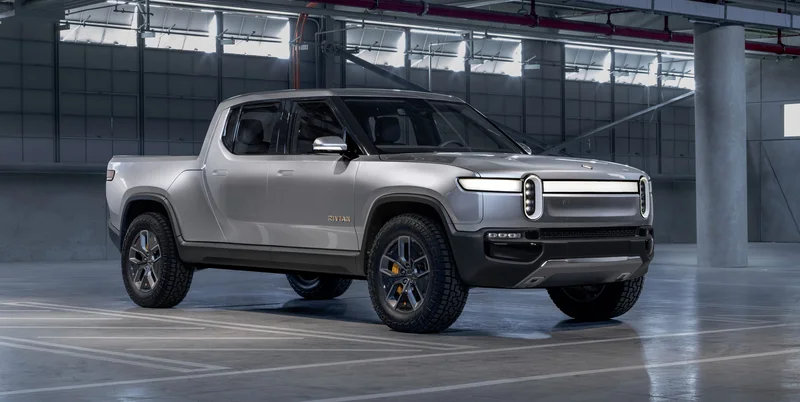
Rivian's initial focus on the R1T pickup truck and R1S SUV was a strategic move to target a niche market. However, these vehicles come with a premium price tag, limiting their appeal to a broader audience. To truly compete, Rivian needs to expand its product portfolio and offer more affordable options. This is where the rumored R2 platform comes into play, but details remain scarce.
The company's cash burn rate is another area of concern. Rivian has been spending heavily on expanding its manufacturing capacity and developing new technologies. While this investment is necessary for long-term growth, it also puts pressure on the company to achieve profitability sooner rather than later. The layoffs, in this context, can be seen as a desperate attempt to curb spending and extend its cash runway (reported at approximately $9 billion in the last filing).
So, What's the Real Story?
The layoffs at Rivian are a complex issue with no easy answers. While they may be a necessary step to improve efficiency and reduce costs, they also raise questions about the company's long-term prospects. The stock price volatility and market sentiment reflect this uncertainty. Ultimately, Rivian's success will depend on its ability to execute its strategic plan, manage costs effectively, and navigate the increasingly competitive EV landscape. The numbers don't lie: Rivian is in a precarious position, and the next few quarters will be critical in determining its fate.