Novo Nordisk: Is the Ozempic Party Really Over?
Novo Nordisk (NVO), the darling of the weight-loss and diabetes drug market, faces a growing list of challenges. One analyst downgraded the stock, citing a slower-than-expected comeback. But is this a temporary blip, or a sign of deeper trouble? Let's dive into the numbers and see what they tell us.
The Bull Case vs. Reality
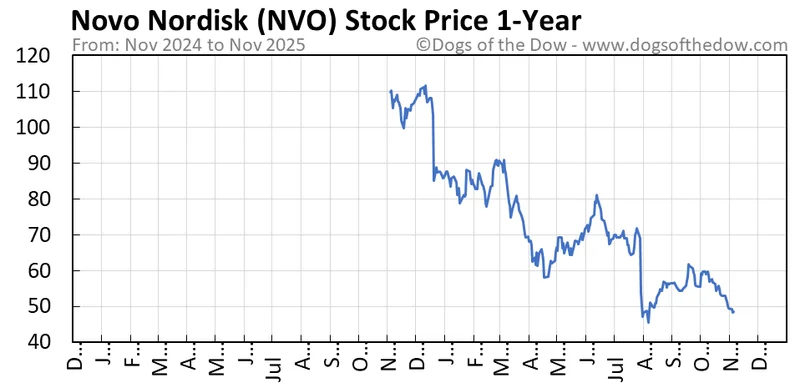
The initial enthusiasm surrounding Novo Nordisk was understandable. Ozempic and Wegovy have been blockbusters, and the market for these drugs is potentially enormous. However, the analyst's downgrade suggests that the company isn't meeting those lofty expectations (mine included, I'll admit). He points to a slower-than-anticipated recovery.
What does that actually mean, though? A "slow recovery" is vague. We need to quantify it. Are sales growing, but at a decelerating rate? Are production bottlenecks hindering supply? Or is competition finally starting to bite? Details on why the recovery is slow are scarce, but the impact is clear: the stock's performance hasn't matched the initial hype.
Cracks in the Foundation
The analyst mentions "problems compounding." Again, specifics are lacking. Are these manufacturing issues? Regulatory hurdles? Or something else entirely? (My contacts in the industry suggest it's a bit of everything, to be honest.) You can read more about the analyst's specific concerns in Novo Nordisk: Problems Compound, But Stock Still Cheap (Rating Downgrade) (NYSE:NVO).
Here's where we need to step back and consider the bigger picture. Novo Nordisk isn't operating in a vacuum. Eli Lilly (LLY) is nipping at its heels with its own GLP-1 drugs. The market is becoming increasingly crowded, and that increased competition will inevitably put pressure on pricing and market share. And this is the part of the report that I find genuinely puzzling: Why did investors think Novo Nordisk would maintain its dominance unchallenged? The pharmaceutical industry is rarely, if ever, a monopoly.
The long-term effects of these drugs are also still being studied. While initial results are promising, we don't yet have a complete picture of the potential risks and side effects. Any negative surprises on that front could significantly impact demand (and Novo's stock price).
The Price of Success
Novo Nordisk's success has also created its own set of problems. Demand for Ozempic and Wegovy has surged, leading to supply shortages and manufacturing bottlenecks. The company is investing heavily in expanding production capacity, but that takes time and money. The investment will pay off—or that’s what management is saying, at least.
And let's not forget the ethical considerations. These drugs are being widely used for weight loss, sometimes by individuals who aren't clinically obese or diabetic. This raises questions about access, affordability, and the potential for misuse.
So, Are We Looking at a Buying Opportunity or a Value Trap?
The analyst maintains a "cheap" valuation, even with the downgrade. But "cheap" is relative. If Novo Nordisk's growth slows significantly, or if competition intensifies, that valuation may not be so attractive after all. The future growth rate of the company is the crucial element. If the growth rate declines even by just a few percentage points, the stock could be overvalued.
Ultimately, the question is whether Novo Nordisk can maintain its lead in the GLP-1 market, or if it will be overtaken by competitors. The answer to that question will determine whether the stock is a bargain or a bust.